
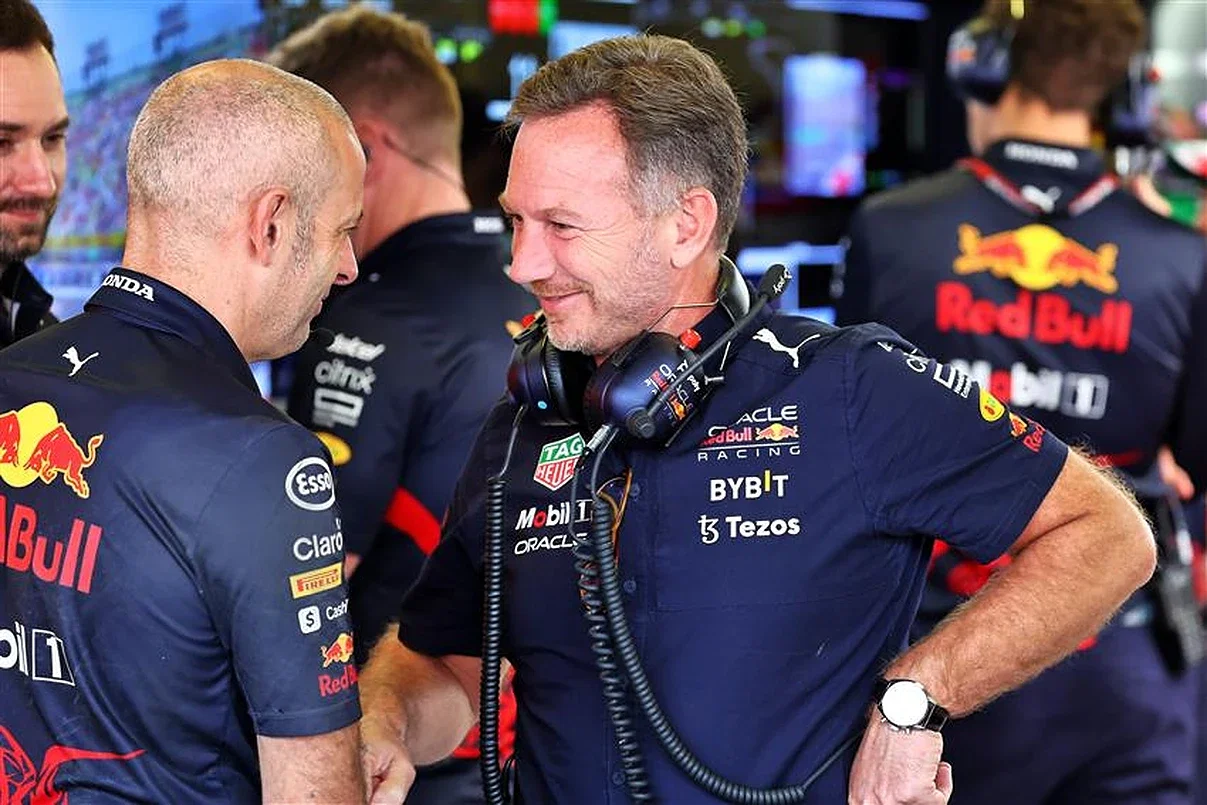
One year ago on 9 July 2025, Christian Horner’s shock removal as Red Bull Racing’s team principal sent shockwaves through the entire Formula 1 paddock.
Horner’s 20-year tenure had produced two dominant championship-winning dynasties, but a protracted political battle within Red Bull ultimately brought his reign to a sensational end.
Laurent Mekies, formerly heading up sister team Racing Bulls, was brought in as Red Bull Austria moved to prevent any single figure from accumulating total control over the Milton Keynes operation.
From the outset, Mekies prioritised understanding the team rather than forcing through sweeping changes, recognising that the people who made Red Bull successful in 2022 were largely still in place.
“I still look at these guys as most people outside of the team look at them,” Mekies said in his first public announcement after taking over the role.
“We look at you guys and we see the very best people in the world at what they do,” he continued, emphasising that his focus would be on giving talented staff what they needed to perform at their best.
Max Verstappen offered his own early endorsement of the new approach, saying “I do like how Laurent is working, very motivated, constantly asking the right questions to me, but also to the team.”
Mekies was at least partially credited with helping Red Bull find solutions to its 2025 car’s handling problems, allowing Verstappen to push McLaren hard until the closing stages of that season.
The bigger challenges, however, arrived with 2026’s radical regulations overhaul and Red Bull’s debut as a power unit manufacturer, a project originally conceived under Horner with Ben Hodgkinson leading Red Bull Ford Powertrains.
The in-house engine has defied expectations in terms of outright power, but Red Bull now faces the frustration of being frozen out of engine upgrades after its unit was deemed the most powerful on the grid.
Red Bull disputed that ruling and requested the FIA commission a thorough review, but the review is understood to have only confirmed the governing body’s initial findings, leaving the team in a difficult position.
One positive development in 2026 has been the emergence of Isack Hadjar as a genuine second driver, ending the long-running issue of finding someone capable of complementing Verstappen at the top team.
Hadjar took third on the grid in Melbourne at his first attempt for Red Bull Racing and climbed the podium in Monaco, though that result was later handed back to Alpine’s Pierre Gasly.
Despite those encouraging signs, both Verstappen and Hadjar have struggled for confidence and car balance in 2026, fuelling the inevitable speculation about Verstappen’s long-term future at the team.
Back-to-back rear wing failures have done nothing to help matters, and the team is working through another crunch period searching for meaningful performance and operational improvements.
The staff turnover picture has also continued to evolve, with Helmut Marko having been parted from his advisory role, while race engineer Gianpiero Lambiase has signed a deal to join McLaren by 2028.
Paul Monaghan also looks set to depart for Cadillac, adding to the sense that Red Bull is experiencing a significant period of transition across multiple fronts simultaneously.
Whether that constitutes a genuine brain drain or simply reflects the elevated media profile of those individuals leaving is a matter of debate, but the pressure on Mekies is undeniable.
The core task remains unchanged from the Horner era — build the fastest car possible, and ensure Max Verstappen believes the team is capable of doing exactly that.
As was the case under Horner, winning is the only currency that ultimately matters at Red Bull Racing, and that reality has not changed one bit twelve months on.